Little Map · made in Taiwan
Psychology research, turned into maps where anyone can see where they stand
Short interactive maps that people in Taiwan use to take stock of themselves. A self-inventory tool, not therapy.
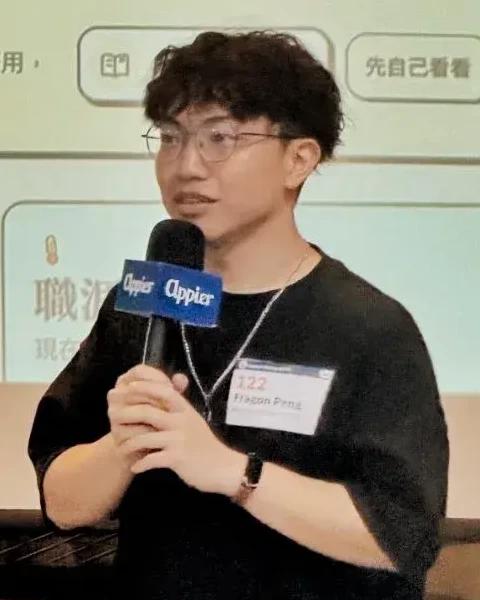
Made by Tzuang (Derrick) Peng
- Nearly 80interactive maps
- 70,000+map sessions completed
- 8,800+accounts (Nov 2026)
- Aug 2026launched August 20
What a map is
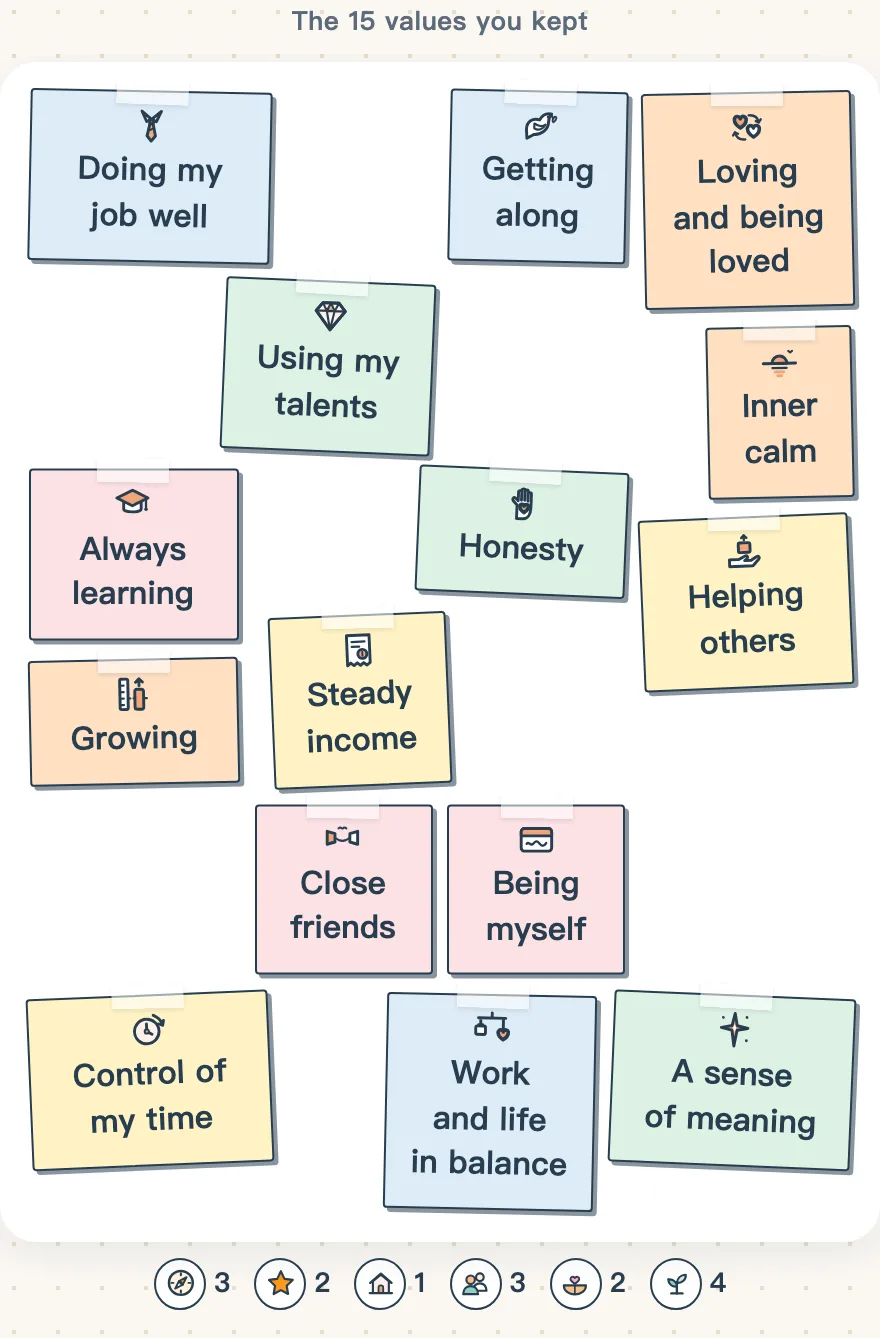
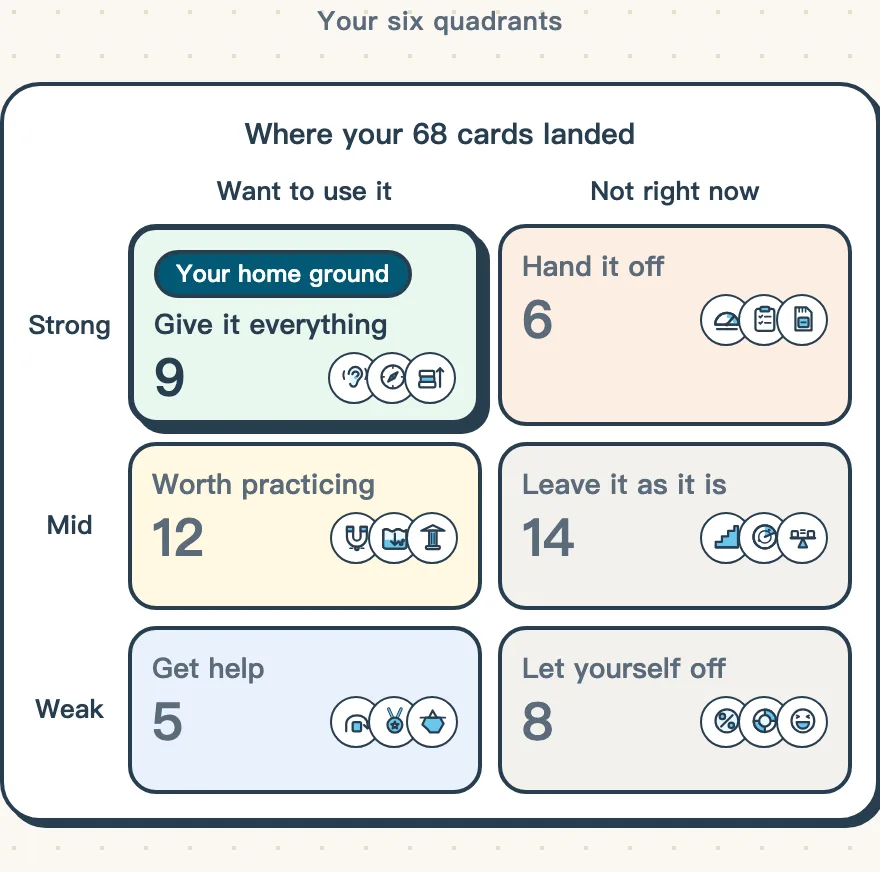
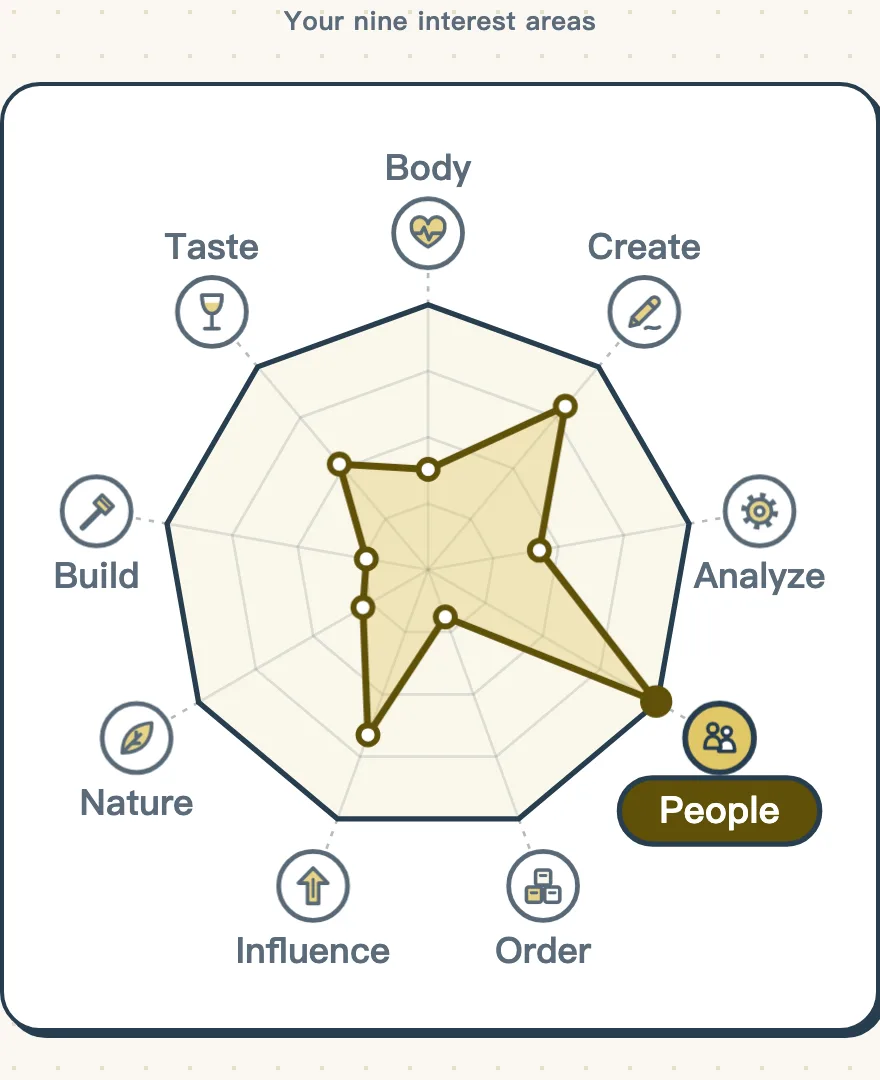
One construct per map. You sort, tap, or place, then see a picture of where you landed.
Tap a map to see its result
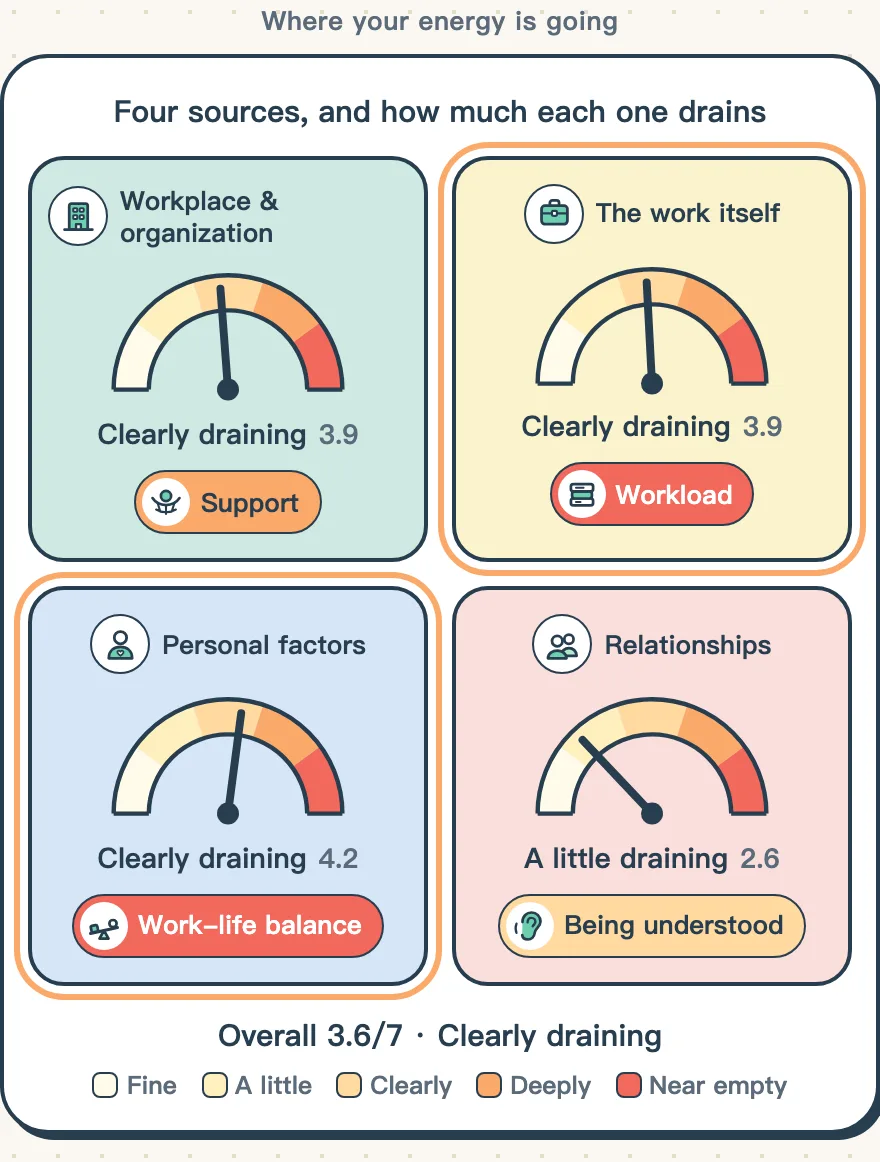
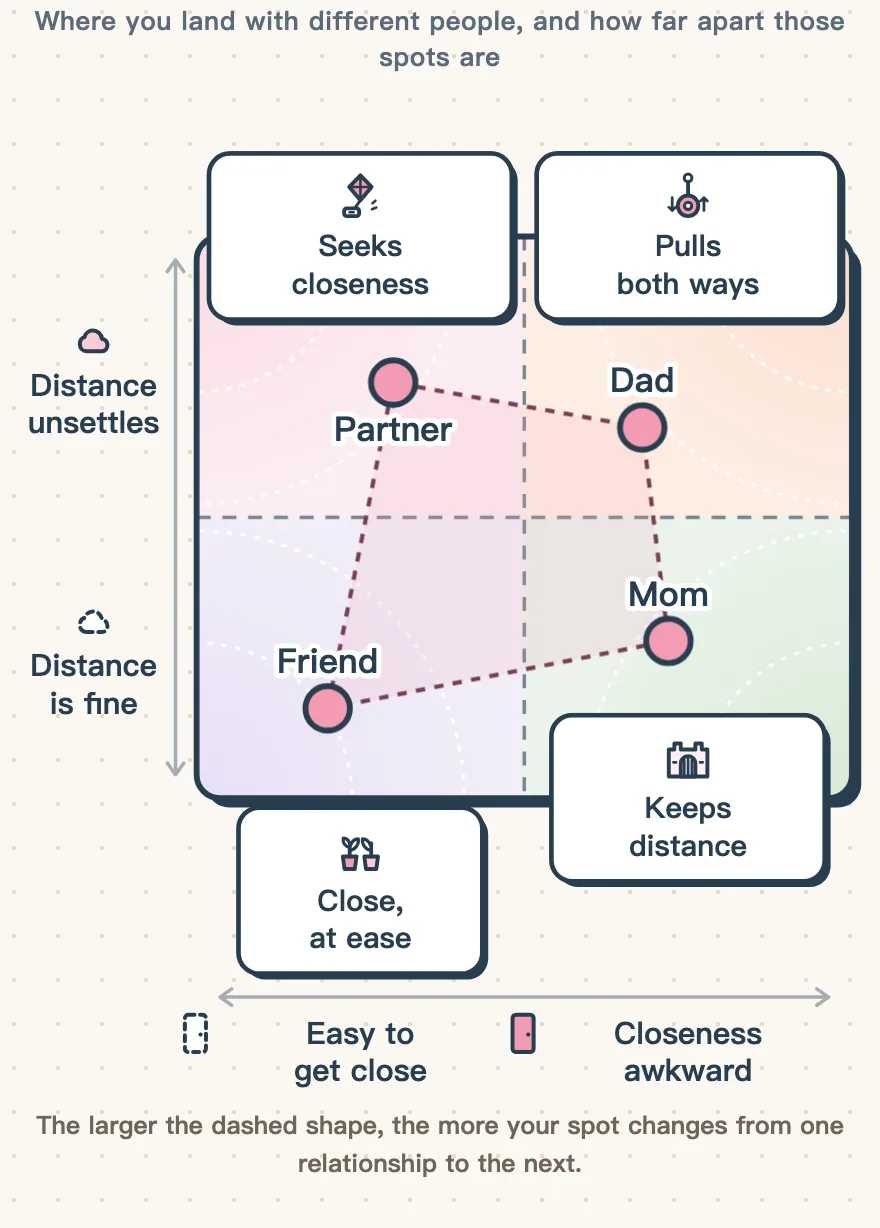
What the English preview does and doesn't do
- Most of Little Map is in Traditional Chinese. A few maps are translated, and you can try them without an account.
- No account and no email needed.
- Answers stay in the browser you used. Nothing is sent to a server.
Built on research
Most maps are built on published theories and studies, and say what hasn't been validated yet.
Read our stance on knowledgeThe lines it holds
- Consent comes first
- Help is always on the page
- No diagnosis
- Not treatment
How each line works in practice
- Consent comes first
- Any map that touches emotions starts with informed consent: four statements, each checked separately, before the first question.
- Help is always on the page
- Those maps end every result page with help lines, folded but labeled for what they are.
- No diagnosis
- Interpretations never diagnose, never use clinical labels, and never make the decision for the person.
- Not treatment
- It is a self-inventory. It is not therapy or counseling.
Who made it
Tzuang (Derrick) Peng, founder and career advisor
Tap one to see what he brings.
Visual knowledge
Turns psychology research into clear, visual knowledge people read and share.
- 15M+views on Threads
- ~36,000Threads followers
- 5,600+newsletter subscribers
Career advising
Helps people understand themselves and find a direction, one-on-one and in classrooms.
- NCDACompleted NCDA career development training
- 120+one-on-one career conversations
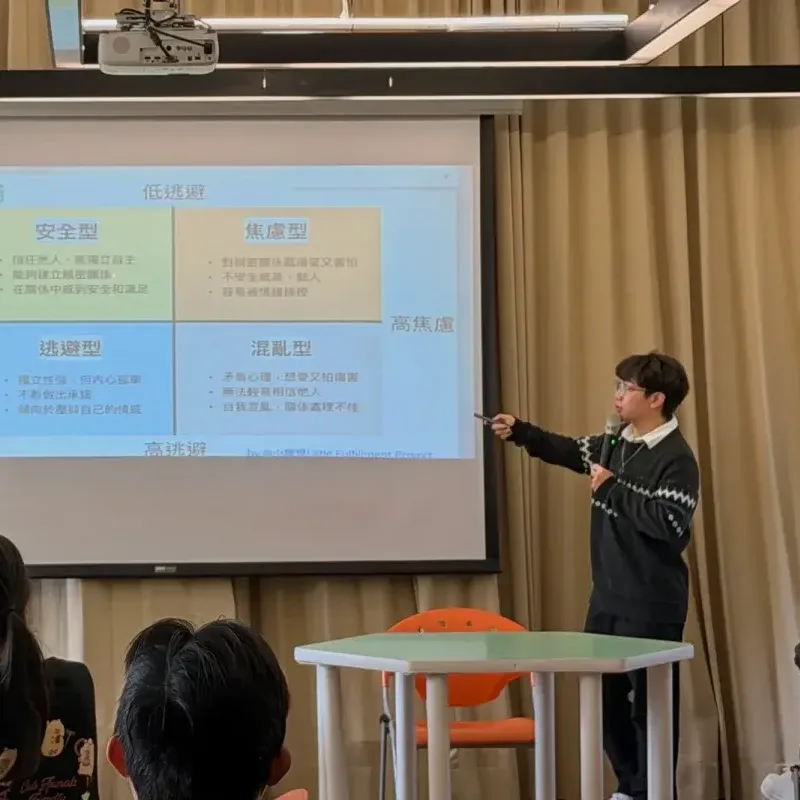
- 10+talks and workshops, elementary school to university
Self-discovery tools
Designed and built Little Map on his own, after years of book clubs and courses.
- 70,000+map sessions
- 20+book clubs and online courses
- 15+publishers worked with
Education and teaching background
- Former special education English teacher at a middle school
- MS in Psychology, Arizona State University (online, in progress)
- BA in Applied English, National Taipei University of Technology
Where I hope this goes
I want to help people see themselves clearly, in a way that's easy to start, so they have more room left to live what they find.
Why one visual place, and why slowly
Career anxiety and self-doubt are common, and there's no shortage of counseling, books, workshops and worksheets. What's harder to find is one place that makes reflection visual and easy to begin, and that people come back to as their lives change.
That's what I'm building Little Map to be: short visual maps for noticing, understanding and knowing yourself, so less energy goes into figuring yourself out and more of it goes into everyday life.
Getting to know yourself takes a long time. I believe that if something is worth doing, it's worth doing slowly.
What I'd like to talk about
- Self-help and human helpWhere does a self-help tool end and a real counselor need to begin?
- AI, privacy, and regulationFor AI-assisted career and mental health tools, where are the floors on privacy and regulation?
- Scales without normsWhen a scale is self-designed and has no norms, how should its reliability and validity be checked?
Get in touch
Email is the best way to reach me.
hi@lil-fulfillment.com